

Canadians have become used to full produce aisles, no matter the season. But behind that abundance is a complex web of decisions, investments and risks managed every day by the farmers who grow fruits and vegetables.
One of the most important — and most misunderstood — parts of that system is something farmers call crop protection.
Crop protection refers to everything growers use to keep insects, weeds and plant diseases from destroying their crops. That includes pest control products approved by Health Canada, beneficial insects used in greenhouses and a growing selection of biological tools.
When these tools work, the result is straightforward: healthy crops and reliable food. When they don’t or aren’t available for growers to use, the consequences ripple from the farm gate to the produce aisle: less food on the shelf for consumers, economic losses for farmers and higher fruit and vegetable prices for Canadians.
The cost of keeping crops safe
Fruit and vegetable farming is uniquely vulnerable to pests and diseases. Horticultural crops like apples, peaches, carrots and brussels sprouts have long growing seasons meaning more time to be exposed to damage.

Ontario’s tree fruit growers are a good example. Orchard crops are perennial, meaning the trees remain in the ground for decades. A single outbreak of a disease like fire blight can wipe out years of grower investment as well as result in little to no crops to harvest. Prevention requires regular monitoring and the careful use of approved crop protection products.
These tools come with a price tag. The decision to apply crop protection products is made with input from scouting reports that measures the economic impact of the weed, insect or disease pressure.
Many growers consistently report that crop protection is one of their largest annual expenses. Crop protection products on an average increase two to eight per cent every year. In apples, for example, it is common for growers to spend thousands of dollars per acre each year just to maintain a healthy and marketable crop. Some estimate that crop protection can represent up to a third of their operating costs in years where pests or diseases are particularly strong.
Let’s be clear: these expenses aren’t about chasing cosmetic perfection. They are about keeping fruit from dying on the tree, stopping pests before they reach economic thresholds and limiting the spread to neighbouring farms, and protecting apples, peaches, cherries, pears and more from damage that would make them unsellable or even inedible. Without these tools, many fruit crops simply cannot be grown in Canada’s climate.
When pests win, food supply loses
The importance of crop protection becomes most visible when something goes wrong. A striking example occurred several years ago in the Holland Marsh, one of the country’s most important vegetable-growing regions. Onion growers were hit hard by a disease outbreak of downy mildew that drastically reduced yields and size. Many fields suffered severe losses because the onion plants died before they reached maturity.
The impact was immediate. Farms lost income, packers and processors had less product to work with, and consumers experienced tighter local supply. The situation also underscored how narrow the margins can be: unchecked weed, insect or disease pressure can turn a promising crop into a financial disaster.
These kinds of events raise an uncomfortable reality. Canada’s fruit and vegetable sector already faces tight profitability, rising labour costs, unpredictable weather and competition from imported produce with lower costs of production due to lower standards. If farmers cannot access the pest-control products they need — whether due to regulatory delays, product being discontinued or deregistered, or supply shortages — the risk of crop failure increases. And with that comes higher food prices and greater dependence on imported produce.
Greenhouses invest in protection too — and not just chemicals
While outdoor growers shoulder large crop-protection costs, greenhouse vegetable operations invest heavily as well, but often in a different way.
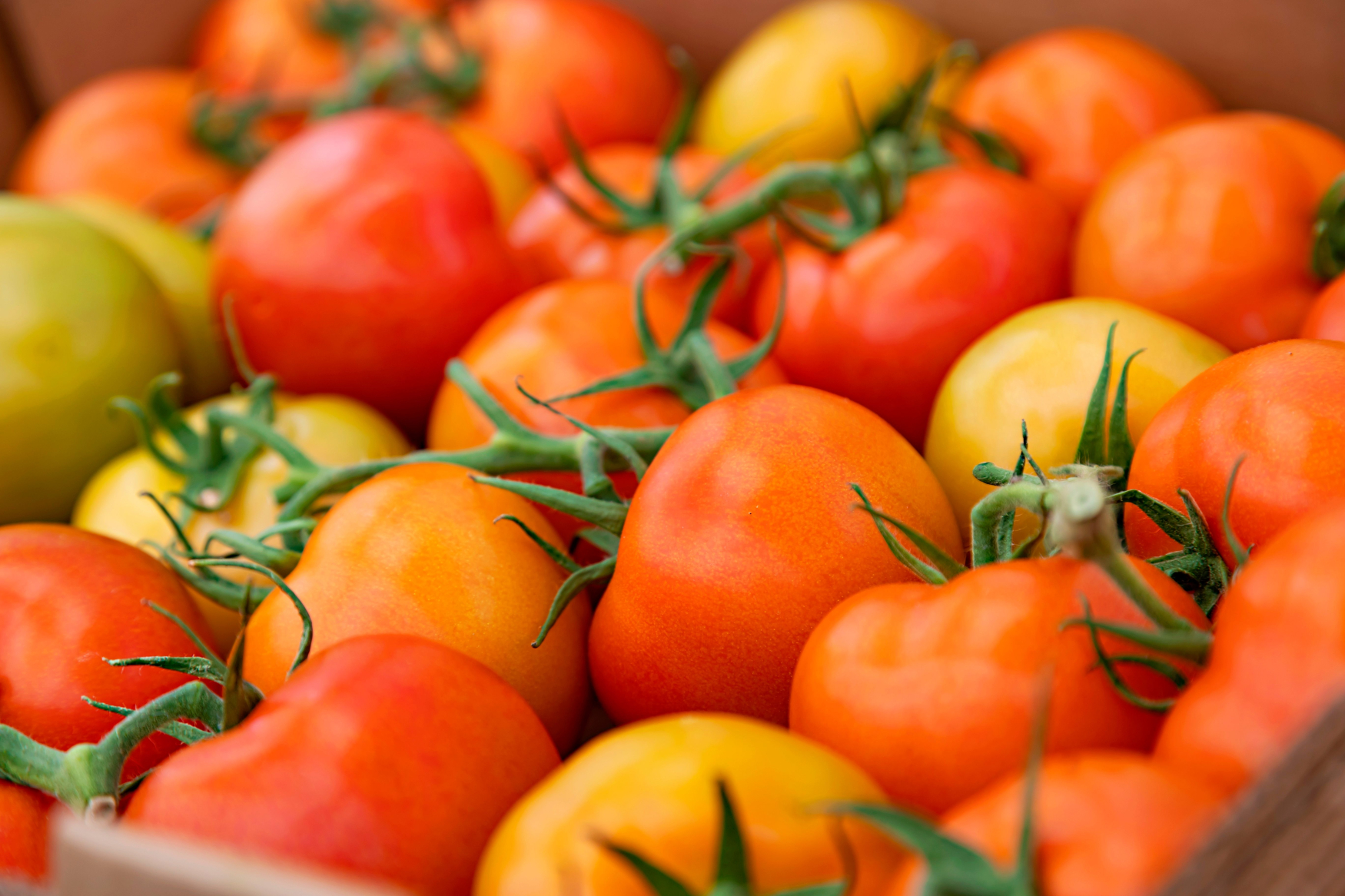
Canada’s greenhouse sector is a world leader in biological pest control. Instead of relying primarily on sprayed materials, greenhouses deploy armies of beneficial insects such as parasitic wasps, lady beetles and predatory mites alongside the bumblebees they use for pollination. These “good bugs” hunt down pests like whiteflies and aphids, keeping crops healthy while reducing or even eliminating pesticide use.
This approach allows for minimal use of sprays. But it’s not cheap or easy. Greenhouse growers spend millions annually on biological controls, high-tech monitoring systems, and climate-controlled environments that reduce disease pressure. When a new pest emerges — and greenhouse pests evolve quickly — growers must rapidly adapt, often at considerable cost.
Their success is part of the reason many across North America enjoy year-round access to Canadian-grown tomatoes, cucumbers and peppers. But that system is only as strong as the tools available to manage pests safely and effectively.
A critical part of Canada’s food-security puzzle
For many Canadians, crop protection is invisible but it’s a critical part of being able to have fruits and vegetables to eat, especially those grown right here at home.
In a changing climate, with new pests appearing more often and weather extremes adding stress, access to effective crop protection solutions matters more than ever. When growers have the tools they need, they can protect yields, maintain quality and strengthen Canada’s food security. But when those tools become scarce, unavailable or unaffordable, the impact is felt far beyond the farm right to every Canadian dinner plate.
If Canadians want a stable, affordable supply of homegrown fruit and vegetables, supporting the crop protection systems that keep those crops safe must be part of the conversation.
For more information, visit ofvga.org.